
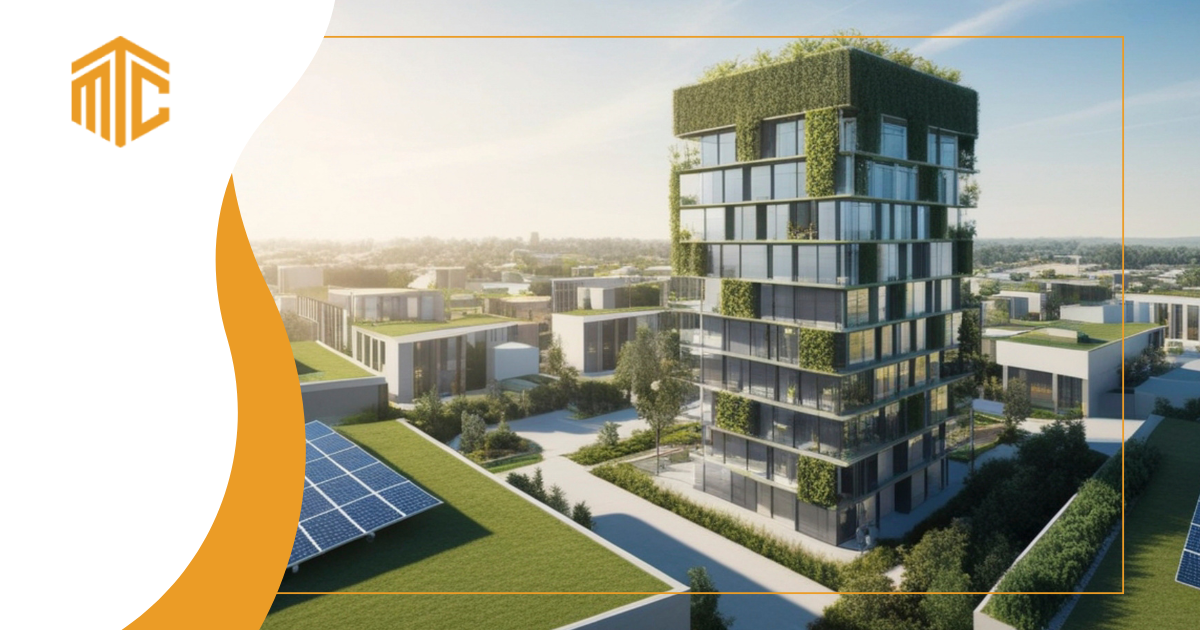
Sustainability is changing the global building sector, focusing on electrical planning, saving resources, and protecting the environment. In the Kingdom of Saudi Arabia, this change closely supports Saudi Vision 2030, which promotes sustainable development across industries. Electrical systems play an important role in this shift, affecting both energy performance and environmental impact. MTC is focusing on using innovative electrical solutions that improve building performance while supporting wider sustainability goals.
Electrical planning is one of the major aspects of sustainable construction that ensures the excellent functioning of energy, safety, and reliability throughout the building. It has reduced the wastage and environmental impact by planning the power distribution, lighting, and use of renewable energy.
An appropriate electrical design is based on the great comfort of inhabitants, low cost of running, and compliance with green building. This helps in the creation of a strong infrastructure that achieves the economic, ecological, and social sustainability goals.
Benefits of Proper Electrical Planning for Sustainable Buildings
Contributes to Energy Saving
Smart electrical planning helps to reduce unnecessary electricity consumption in buildings. It allows lighting, appliances, and control systems that consume less energy. This reduces energy wastage and electricity cost. Being smart with energy saving will help in making buildings more sustainable and environmentally friendly for a long time.
Use of Renewable Energy
One can connect renewable energy sources, such as solar panels, with ease through good electrical planning. These systems give clean energy and limit the consumption of fossil fuels. Renewable energy can be utilized with proper planning to ensure that the buildings are sustainable and eco-friendly.
Better Electrical Safety
The safety of the electrical systems of a building is enhanced by proper planning. It minimizes risks of electrical faults, overload, and short circuits. Electrical accidents are avoided by safe wiring and protective equipment to ensure that electric currents do not damage people, equipment, and buildings.
Lower Future Costs
An electrical system that is planned well will save money in the long run. Good design saves money on maintenance, and energy-efficient systems save money on electricity bills. It also simplifies future upgrades, thus preventing costly changes in the future by the building owners.
Different Ways Electrical Planning Supports Sustainable Buildings
Energy-Efficient Optimization
Electrical planning enables proper use of energy resources through advanced controls and smart systems to minimize unnecessary use. Energy-efficient lighting, motors, and HVAC systems can help buildings save a lot of money as well as reduce carbon emissions. This makes sure that the buildings are performing perfectly and are eco-friendly.
Incorporation of Renewable Energy
The electrical systems are also strategically designed in such a way that it becomes easy to integrate solar panels, wind turbines, and other renewable energy sources into the electrical systems. This can reduce reliance on fossil fuels and boost energy independence and net-zero energy goals.
Advanced Lighting Design
Smart lighting systems in electrical planning include occupancy sensors, daylight harvesting, and LED technology. These techniques reduce energy consumption and enhance visual comfort and performance without compromising the design beauty, and improve occupant experience if properly implemented.
Smart Building Systems
Automation and IoT-based monitoring can be achieved with the help of electrical infrastructure, which enables real-time energy management. Smart meters, adaptive controls, and predictive maintenance enhance the performance of buildings, minimize energy waste, and offer valuable data that can be used to achieve continuous improvement of sustainability.
Load Management and Distribution.
The distribution of the loads is planned to accommodate an effective electrical supply without overloading or wastage of energy. This mode reduces the maintenance requirements, increases the lifespan of the equipment, and aids in the safe incorporation of the high-demand systems in commercial and residential projects.
Green Standards Adherence
It is also with the help of electrical planning that international green standards like LEED and Estidama can be adhered to. When systems are designed according to these standards, they become more sustainable, their market reputation is enhanced, and value to buildings is added due to the responsible use of energy.
Challenges and Solutions in KSA’s Electrical Planning
Extreme temperatures, high rates of urbanization, and increasing energy demand are a few major challenges that KSA electrical planning has been facing. Rising temperatures cause massive stress within the electrical systems. Due to the rapid growth of cities, there has been a huge demand for high-quality infrastructure, which equally stresses out the electrical planning system.
Change in power tariffs, complex licensing process, and various technical standards often complicate the planning and implementation. To cope with all these problems, there is a need for energy-saving technology to reduce total consumption. The high-level load management systems assist in balancing the demand and avoiding overload.
The planners must be in close consultation with engineers and urban planners, as well as the government authorities, to have good planning. The electrical infrastructure should also be safe, reliable, and sustainable, with adaptation to the local environmental and economic conditions of KSA.
Modern Technology Supporting Sustainable Electrical Systems
Within modern sustainable electrical systems, there is LED lighting, which consumes less energy. There has been a vast use of solar photovoltaic (PV) systems, which enable renewable generation of energy on-site. The use of smart meters and energy management systems optimizes the use of electricity by giving real-time performance data. An HVAC system that is energy efficient makes use of less power and ensures comfort.
Battery storage systems help in load balancing and storing renewable energy. Besides this, the construction of automation and management systems integrates lighting, heating, and cooling to minimize the overall energy requirements. These technologies reduce carbon emissions, operating costs, and design robust and ecologically sustainable electrical infrastructures.
Future Trends in Electrical Planning for Sustainable Buildings
The future of electrical planning is on smart, responsive, and green systems. The integration of AI-based energy management, predictive maintenance, and innovative renewable energy solutions will dominate the design strategies. Structures will use microgrids and battery storage, as well as real-time monitoring, to streamline efficiency. The emphasis will be on sustainability in terms of resilience, comfort of occupants, and minimization of environmental impact, forming the future of truly sustainable infrastructure.
Practical Tips for Implementing Sustainable Electrical Planning
Use Energy Saving Equipment
Use energy-efficient electrical appliances like LED lamps, energy-efficient appliances, and efficient motors. The devices consume less power, yet they offer the same performance. Efficient equipment will save energy and minimize electricity costs, as well as help in sustainable building.
Installation of Smart Controls
Electrical devices such as timers, motion sensors, and automatic lighting are smart and can be used to control the consumption of electricity. These controls switch lights and devices on or off when they are required. This will eliminate energy wastage and will enhance the general efficiency of the electrical system in the building.
Plan for Renewable Energy
The electrical system should be designed in such a way that it can be easily extended to include renewable energy sources such as solar panels. This involves proper wiring, equipment space, and storage of energy. The renewable energy planning will assist in the buildings’ consumption of clean energy and minimize the reliance on non-renewable sources of energy.
Arrange Periodical Checkups
Electrical systems are maintained in the best condition by regular inspection and maintenance. Wiring, switches, and equipment should also be checked to find the problem. Right maintenance will avoid the loss of energy, enhance safety, and ensure that the electrical system can sustain the operation of the building.
Cost-Effective Smart Electrical Planning System with MTC
Proper electrical planning is crucial for sustainable, efficient, and cost-effective buildings. MTC emphasizes that early integration of smart electrical design can significantly reduce environmental impact. Builders, engineers, and policymakers in Saudi Arabia have a unique opportunity to lead the region in sustainable construction practices.
Frequently Asked Questions
What is electrical planning in sustainable buildings?
Designing efficient power, lighting, and HVAC systems to cut energy use and support green construction.
Why is electrical planning crucial in KSA?
KSA’s hot climate and energy-heavy buildings require strategic design to boost efficiency, cut costs, and meet sustainability goals.
How does electrical planning reduce carbon emissions?
Efficient systems and smart devices lower electricity use, reducing fossil fuel consumption and greenhouse gases.
Can electrical planning lower construction costs?
Yes, early planning prevents energy waste, costly retrofits, and enhances long-term operational savings.