
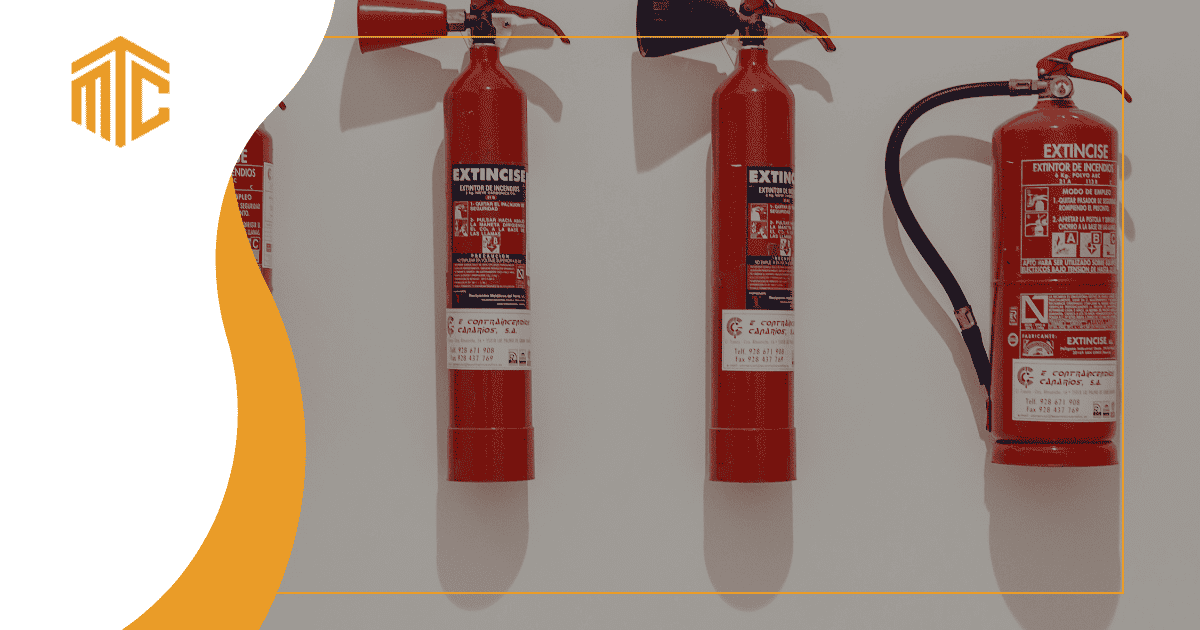
Fire safety is a vital concern across Saudi Arabia, whether in industrial plants, commercial buildings, or residential complexes. Protecting people, property, and assets from fire hazards requires careful planning and reliable safety systems. Fire alarm systems serve as a critical line of defense, providing early warning and enabling rapid response to emergencies. At MTC, we focus on delivering advanced, dependable fire safety solutions that help businesses and communities stay safe, compliant, and prepared for any fire-related risks.
Types of Fire Alarm Systems
Fire alarm systems are available in various types to suit the diverse safety requirements. Traditional systems have zoned a building, which is an easy and affordable way to keep track. The addressable systems can identify the exact location of a fire, hence they are suitable for extensive facilities. Wireless systems allow installation flexibility and are less obtrusive, particularly in existing buildings where little disturbance is desired. Both types provide protection and lifesaving promptly.
Components of Fire Alarm Systems
This system consists of smoke detectors, heat detectors, manual call points, alarm panels, sirens and strobes. Smoke and heat sensors detect fire during the early stages, and manual call points are used to report immediately. Alarm panels process signals, and the system is controlled. Stroke lights are a sound alert system. All these elements combined will result in quick detection and response that keeps people and property secure.
Importance of Choosing the Right System
The choice of the appropriate system requires the type, size and occupation of the building. A proper system improves safety, effective response to the fire, and reduces damage. It is critical to comply with the Saudi civil defense regulations and SASO standards. Making the right choice will not only make sure the system is legal and is capable of giving good protection to the occupants and assets.
Insights on Best Practices of Fire Alarm Installation
Site Assessment and Risk Analysis
Before installing a system, a detailed site analysis should be done to determine possible fire hazards. Pay attention to such high-risk areas as kitchens, electrical rooms, server rooms, and chemical storage. Determine building layout, occupancy and fire load to decide on the type of detectors, the number of detectors, and their best location to enhance maximum safety.
Compliance with Saudi Regulations
Make sure that the system complies with the Saudi Building Code and Civil Defense. The authorized agencies should certify all the devices. Adherence ensures that there is legal acceptance, safety and insurance. Periodically check the changes in the local regulations to control the system standards and to prevent punishment and the risk of working.
Correct Placement of Detectors and Alarms
Smoke detectors are mounted on the ceiling and not in a vent or corner to prevent false alarms. Heat detectors can be used in kitchens, boiler rooms, and fuming areas. Easily reachable call points should be manual at exits and corridors. Early detection and safe evacuation are achieved through proper placement.
Electrical and Network Considerations
Install the systems with appropriate wiring, power supply and network connection. Add back-up batteries, surge protectors and emergency power. Make sure it is integrated with building management systems where necessary. Adequate electrical planning ensures consistent operation even in the event of a power outage or electrical interference to ensure continuous fire protection.
Documentation and Signage
Keep a meticulous documentation of all installations, such as the locations of devices, wiring schemes and a record of maintenance. Make fire alarm zones obvious and put evacuation signs around the building. Documentation and signage can ensure that there is a rapid response in case of an emergency and that the inspection of the system, its maintenance and compliance with regulations are easily made.
Quick Maintenance Measures for Fire Alarm System
A system shows a reliable system if it is maintained on a regular basis. Visual checks are to be conducted in the event of damage or obstructions. Check detectors, sirens, and control panels once a month. Clean sensors to remove dust. Replace batteries promptly. Document all the maintenance. Professionally inspect every year to be compliant. Install system software when necessary.
Train employees on alarm reactions. Have manuals and contact numbers available. Have proper emergency exit signage. Quickly resolve the defects or mistakes. These easy steps avoid failure, improve safety and safeguard life and property. Regular maintenance makes the system available when required the most.
Benefits of Installing and Maintaining a Fire Alarm System
Early Fire Detection
A proper system will identify smoke or fire when it occurs. Early warning reduces the response time, whereby occupants can move out safely. It reduces damage to property as it notifies the authorities. The maintenance that will be done on a regular basis will keep the sensors accurate and operational, giving the building owners and their occupants peace of mind.
Increased Safety for the Occupants
These systems protect all occupants in the building by alerting them to any possible danger. Routine maintenance is essential to keep the alarms in good working condition so that they do not give false alarms or alerts are not missed. Workers, occupants or visitors would be able to react quickly to emergencies and reduce the chances of being injured or panicked during a fire outbreak.
Adherence to Regulations
Having a system is a way of keeping safety codes and legal standards. Regular check-ups and records evidence audits. This assists in preventing fines, insurance problems or legal troubles, which is being responsible in the workplace and in public safety.
Security of Property and Assets
An effective system also reduces the damage to property since it gives prior warnings. Quick response enables the firefighting actions to be initiated in time. Regular maintenance will avoid system failures, which will protect vital equipment, stock, and infrastructure, and will eventually lower financial loss and business operations.
Greater Confidence and Peace of Mind
The knowledge of the presence of a fire alarm system and its proper maintenance allows the occupants to be sure of their safety. Periodic check-ups would make it work well and eliminate emergencies. Such peace of mind creates a safe atmosphere, which promotes concentration, efficiency, and confidence in the security of the facility.
Conclusion
Overall, Fire alarm systems are a cornerstone of safety for facilities across Saudi Arabia. Ensuring proper installation, regular maintenance, and staff training is essential for reliable protection. By investing in strong systems and following best practices, businesses and communities can reduce risks and stay prepared. MTC provides expert solutions that help safeguard people, property, and assets for the long term.
Frequently asked question
How often should fire alarms be tested in Saudi facilities?
They should be visually inspected monthly, functionally tested quarterly, and undergo full professional inspection and certification annually for compliance and safety.
What is the difference between conventional and addressable fire alarms?
Conventional alarms identify fire zones, while addressable alarms pinpoint the exact detector, ideal for extensive facilities needing precise monitoring.
Are wireless alarms reliable in industrial Saudi environments?
Yes, wireless alarms are reliable if properly installed and maintained, though harsh climates may require protective casing and backup power solutions.
Can these systems integrate with building security systems?
Yes, modern systems can integrate with security networks, enabling centralized monitoring, automated alerts, and faster emergency response.