
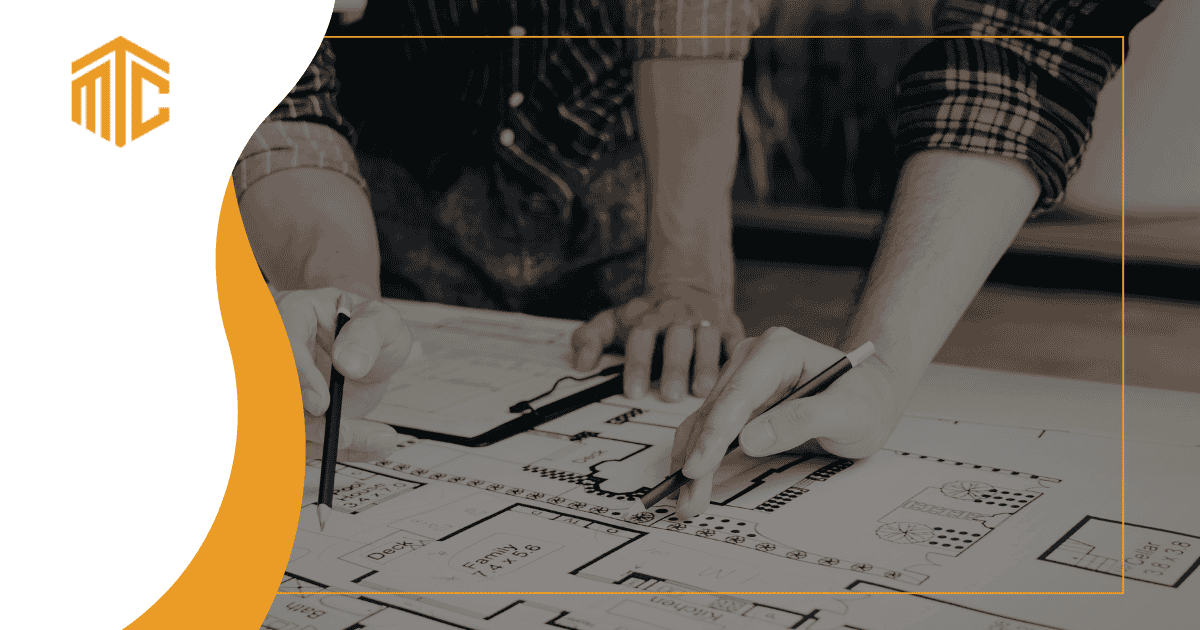
Electrical engineering infrastructure plays a vital role in supporting commercial operations across the Kingdom of Saudi Arabia. It supports enhancing comfort, safety, productivity, and regulatory compliance. As retail, hospitality, offices, and logistics expand, demand for reliable power grows. Vision 2030 drives sustainable practices as supported by MTC. Proper planning cuts operational costs, boosts performance, and ensures continuity during peak loads. Engineers must also address KSA’s harsh climate, dust, heat, and high energy use. This guide helps professionals design systems aligned with national codes for reliable long-term performance in facilities.
Requirements Saudi Building Code (SBC)
The SBC provides detailed electrical design requirements to provide safety, reliability and efficiency in commercial facilities. It controls the procedures of wiring, grounding systems and power distribution, and the layout of emergency circuits. This helps to ensure that hazards are avoided, and continuity of operations is maintained. It also instructs the use of SBC-approved material, equipment, and installation practices to ensure quality and compatibility, as well as reliability in performance of the system in the long run.
Saudi Electricity Company (SEC) Standards
Connection requirements include minimum load values, meter location, substation layout and feeder routing are defined under SEC standards. Commercial consumers are required to receive SEC permits, design approvals and inspections before any installation or energization. Close liaison with the SEC engineers is essential in the designing, construction and commissioning phases. It plays a key role in the grid compatibility, safety and compliance with national regulations of electricity supply.
Fire Safety Requirement of Civil Defense
Civil Defense rules have made challenging requirements for the use of fire-resistant cables, switchgear and automatic emergency shutdown facilities. The installations should be built correctly with fire alarms, sprinklers, smoke extraction and other life safety mechanisms. Sufficient space between panels, equipment, and escape routes should be kept, permitting free access by emergency agencies as well as firefighting operations.
Sustainability and Environmental Laws
The requirements of sustainability in Saudi Arabia encourage energy performance by the application of lighting systems, smart HVAC controllers, and smart load shedding mechanisms. There is also a regulation that promotes the implementation of renewable systems, such as solar PV integration, inverter standards and safe grid-tie setup of commercial buildings. Environmentally friendly cable insulation, transformers with low losses, and high-efficiency equipment are advisable to reduce the environment impact and promote the national green programs.
Key Components of Electrical Infrastructure in Buildings
Commercial buildings have electrical infrastructure with several major components to make power distribution safe and reliable. There is a service connection that links the building to the utility supply for offering electricity to other circuits. Transformers are responsible for controlling voltages so they can effectively use the panel’s power for lighting and HVAC, and equipment.
During an outage, a backup system is used, including generators or uninterruptible power supplies (UPS). The facility has safe transmission supported by conduits, wiring, and cable trays. Surge protective devices, breakers and fuses are protective devices that protect equipment and people. Hence, all these factors provide a strong network, which facilitates the operations of buildings.
Process for Electrical Infrastructure Planning in KSA Buildings
Step 1: Conducting a Comprehensive Site Assessment
Site assessment is inspecting the land, utilities and the electrical needs. It also considers KSA-related climatic issues like extreme heat and dust storms, and humidity. Other analysis involves significant risks such as electromagnetic interference, industrial loads and closeness to high-voltage transmission lines.
Step 2: Defining Electrical Load Requirements
Electrical load requirements are stated for the calculation of lighting, HVAC, elevator, IT systems, and special equipment requirements. Designers implement demand considerations on SBC and SEC standards. Precise load schedules eliminate the problem of inefficiency and the dangers of either an oversized system or under-capacity.
Step 3: Designing the Distribution System
Distribution system design involves the choice of MDBs, SMDBs, and final DBs that are backed up with detailed one-line graphs. Transformers, LV switchgear, busbars and breakers are selected by engineers depending on commercial loads. Correct sizing cables, voltage-drop management, and resiliency approaches such as N+1 are the measures that guarantee effective and resilient power delivery.
Step 4: Planning Cable Routing Systems
The cable routing involves the selection of proper trunking, conduits, trays, and ladders depending on the commercial activities. Engineers consider thermal stress because of the hot climate of KSA. Adequate protection of vital and emergency circuits is done through designs that focus on low-interference paths, suitable segregation and fire-rated containment.
Step 5: Grounding and Earthing Design
Proper grounding protects human beings and equipment, and the fault current is safely discharged. System configuration decisions, including TN-S or TN-C-S, have been made by adherence to SBC and IEC standards. This helps to provide stable, low-resistance earthing in a range of site conditions.
Step 6: Emergency Power and Backup Systems
Diesel generators are provided as emergency systems for the needed peak commercial loads, with the support of ATS and synchronization panels. The continuity of IT rooms, elevators and other lights is maintained at UPS units. Emergency lighting runs on battery power and combines with life-safety systems.
Step 7: Lightning Protection and Surge Protection
Lightning protection assesses the height of buildings, the geography, and the exposure. External systems use air terminals, down conductors and grounding grids. SPDs protect MDBs, delicate electronics and communications devices. High protection levels are needed in some areas of KSA where thunderstorms occur frequently to avoid disruption of operations.
Step 8: Designing Energy-Efficient Lighting Systems
Energy-efficient lighting has optimized LED lights that are chosen based on lumen output, color temperature and power intake. Designs are compliant with SBC energy codes and the Civil Defense requirements which guarantee efficiency as well as reliable emergency lighting performance.
Step 9: Integrating Smart Building Systems
Intelligent building systems provide BMS platforms to monitor loads, control equipment and use energy optimally. IoT sensors allow real-time predictive maintenance data. Fault detection via automated systems is more reliable. It makes the building smart with HVAC, security, access control systems, and fire systems.
Step 10: Preparing Electrical Drawings and Documentation
Final documentation comprises SLDs, load schedules, cable routing layouts, riser diagrams, and panel board schedules. Fire safety drawings are concerned with emergency power, alarms and evacuation systems. Detailed as-built packages help the facility management provide clarity and ease in operational aspects in the long run, and easy planning in the future maintenance process.
Major Safety Considerations in Infrastructure Planning
Safety is a significant concern when it comes to infrastructure planning. Fire safety involves choosing reliable fuses, MCCB, and ELCB to prevent overcurrent, short circuiting, and arc faults. Circuits and fireproof cabling should be installed in the escape routes, staircases, and emergency zones. Heat and ventilation play a significant role in the high temperatures of extreme conditions in the KSA. This is vital in places where there is a need for proper air circulation and cooling of transformers, switchgear, and UPS rooms.
Preventative maintenance measures like infrared thermography are used to identify hotspots in the cables, load balancing. These measures are used to eliminate stress on the panel, and periodic insulation resistance tests can be used to ensure that the system is reliable. Clear circuit labelling, lockout / tagout, and safe distance around medium voltage equipment also need to be provided to ensure worker and public safety.
Cost Planning and Budget Allocation for Electrical Systems
The proper management of the cost of electrical systems is a balance between the initial up-capital investment and the efficiency of the operations over time. Capital costs typically encompass the acquisition of larger equipment. This includes transformers, switchgear, distribution boards, and backup generators, as well as installation and commissioning costs. The operating costs can be associated with energy usage, preventive maintenance, as well as lifecycle replacement, and ROI analysis is essential during budget preparation. It is also important to consider future load increase.
Make sure that the necessary components are oversized or that space is allocated to add more electrical panels. Financial planning is also done correctly at the tendering phase, where contracting qualified electrical contractors within KSA is critical. The implementation of certified technicians, compliance with SEC standards, and prequalification guarantees stable implementation and control of costs over a long period.
Testing, Commissioning, and Handover Procedures
Commissioning and testing guarantee that the electrical system is well installed in a safe manner and is fully operational and meets the specifications of the project before the building is occupied. By pre-commissioning, the integrity of installed cables, busbars, earthing systems, and lighting levels are checked. In the process of commissioning, engineers will evaluate the panels, protective equipment, and load behaviour.
They will also test the functionality of the ATS, synchronism with a generator, and its interaction with the BMS to automate it. Formal handover requires good documentation. This consists of O&M manuals, as-built drawings, warranties, and detailed test reports. Familiarization of the working staff can guarantee the smooth continued operation and the post-handover. Thus, periodic check-ups are useful to keep the system reliable and to prolong its service life.
Conclusion
Effective electrical infrastructure planning is essential for keeping commercial buildings in KSA reliable, efficient, and safe. By following SBC and SEC standards, using smart and sustainable systems, and preparing for future growth, facilities can operate with confidence. Skilled planning also lowers long-term costs and extends asset life, supporting Vision 2030 goals. Trusted partner MTC helps businesses achieve these results.
Frequently Asked Questions
What standards guide electrical design for commercial buildings in KSA?
Saudi Building Code, SEC standards, and Civil Defense rules guide design, ensuring safety, efficiency, and full regulatory compliance.
Why is load calculation necessary in electrical planning?
Accurate load calculation ensures appropriately sized cables, panels, transformers, and backup systems, preventing overloads and costly operational failures.
How does the KSA climate affect the infrastructure?
Extreme heat increases cable temperature, equipment stress, and cooling needs, requiring heat-resistant materials and well-designed ventilation systems.
What are essential backup power systems for commercial buildings?
Generators, UPS units, ATS panels, and emergency lighting systems provide reliable backup, ensuring continuous operation during grid interruptions.