
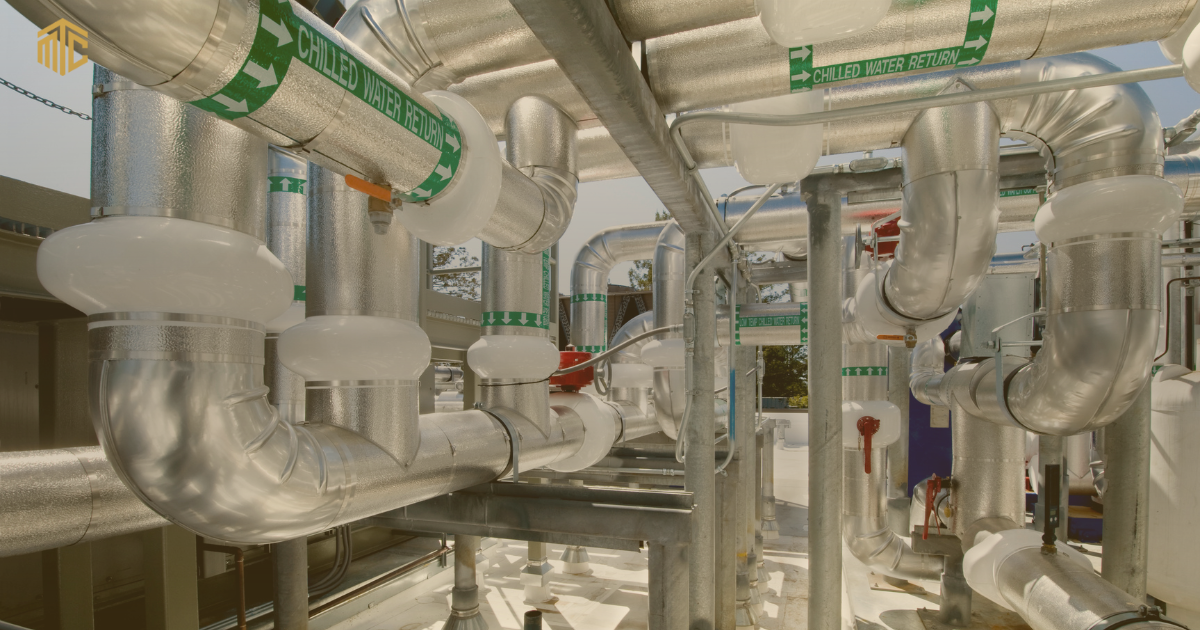
A well-functioning HVAC system is essential for maintaining comfort, improving energy performance, and keeping utility bills under control. At Multitech, we understand that even minor issues can result in costly repairs if left unnoticed. Recognizing early signs of HVAC problems, like unusual noises, inconsistent temperatures, or rising energy bills, can help you address them before they become serious. Regular monitoring and timely professional inspections not only extend the life of your system but also ensure it operates at peak performance. This guide explains how to check your HVAC system regularly and measures for a professional inspection to keep your home comfortable and efficient.
Regular maintenance is essential to make sure your system performs at its best and is efficient. Properly maintained equipment doesn’t just make life comfortable but is also a money-saver at the end of the month. Without regular maintenance, minor issues can evolve very quickly and cost a lot or cause system failure.
Regular check-ups allow you to keep your equipment longer and ensure better indoor air quality, making it a healthier space for all. For offices or businesses, it translates to minimal disruption and a better experience both for employees and clients. For homes, it ensures steady comfort all year round.
Overall, professional maintenance gets your system to its peak performance. Investing money in early service now saves you money on breakdowns later.
Common Signs Your HVAC System Needs Attention
Your heating and air conditioning work year-round to keep your home comfortable. Just like any other equipment, it also shows the signs of warning when it needs service or repair. Knowing about these early can avoid costly breakdowns and improve performance. A few significant signs to notice are:
Unusual Noises
When your heater or air conditioning system starts making noises like banging, grinding, or squealing, it is an obvious red flag. This shows they are facing an issue of loose parts, bad motors, or a component stuck inside. Failing to take notice of these can come with bigger problems and huge repair bills. Early detection can prevent major system failure.
Inconsistent Temperatures
Variances in room heating or cooling are indicatives of inefficiencies. It can occur when filters are dirty, there are leaky ducts, or thermostats are malfunctioning. When your system is unable to work towards a balanced temperature, it starts consuming more energy and generates more wear.
Weak Airflow
Insufficient airflow from vents is often a significant sign of blockages, non-operational compressors, or motor problems. Insufficient airflow makes your system work ineffectively at heating or cooling. This leads to discomfort and higher energy bills. Repairing airflow issues earlier rather than later avoids overheating, jammed coils, and excess pressure on the general system.
Frequent Cycling
When your HVAC is switching on and off frequently (short cycling), it is not at maximum efficiency. This can be the result of dirty filters, faulty thermostats, or a system that is larger than necessary. Short cycling places extra wear and tear on components, reduces longevity, and raises energy costs. Professional assessment determines and corrects the root cause.
Rising Energy Bills
Sudden spikes in your utility bills usually mark inefficiencies within your heating and cooling system. Faulty parts, dusty filters, or leaks make the system consume excess energy. Monitoring your bills leads to early alarms, and regular maintenance puts the system at maximum efficiency and reduces the long-term cost of operation.
Excess Humidity or Dryness
Your system ought to control indoor humidity. When the indoor feels abnormally humid during summer or excessively dry when it is cold, it can show issues concerning the unit’s components or control. Bad humidity control can harm furniture, promote mould growth, and affect your comfort.
Significant Benefits of Regular HVAC Maintenance
Excellent Energy Performance
Regular maintenance helps the components like filters, coils, and ducts free from dust and debris. Effectively serviced equipment also helps in saving energy, which eventually reduces the costs. This reduces excess pressure on the equipment, encouraging general operating efficiency.
Increases the Lifespan
Preventive care keeps parts operational and reduces the chances of any wear and tear. Technicians can identify tiny issues before they become significant failures. Through regular servicing, the system stays operational and can function properly for the next long years. There is no need to go for the expensive replacement.
Improved Interior Air Quality
Dust, allergens, mould, and contaminants are very common to be noticed in the system components. Routine maintenance involves exchanging filters, cleaning ducts, and inspecting airflow. All this helps in significantly improving the indoor air quality. This contributes to a healthier indoor workspace.
Less Chances of Surprise Breakdowns
Routine inspections enable the identification of minor mechanical issues before they escalate to emergencies. Prevention is effective in reducing the chance of sudden malfunctioning, particularly at peak periods when heating or cooling is crucial. Prevention of sudden failure allows homeowners to escape inconvenience, discomfort, and expensive emergency repair services and maintain steady indoor comfort.
DIY Tips to Keep Your HVAC System Healthy
It is not always necessary to have expert help to maintain your system. You can do a few simple things at home to boost performance and its longevity. Start by checking and changing air filters once or every three months since filthy filters drag back airflow and strain the system.
Also, clean vents and clear them from any dust or blockages to maintain smooth airflow. It is also helpful to clean the exterior unit of leaves, dirt, or other obstructions to maintain proper airflow. Not stressing the system is done by fixing the thermostat at steady temperatures.
Also, ensure regular inspections are undertaken so that troubles may be detected early enough before making extensive repairs. Undertaking these simple steps can save energy, reduce utility costs, and maintain consistent comfort throughout the year while your HVAC system is maintained at peak performance.
Following Seasonal HVAC Maintenance Checklist
Routine maintenance makes your system effective throughout the year. Every season has special checks to let your home stay comfortable and maintain energy costs. Here is a checklist of things that you need to do before the weather changes.
Spring
It is the perfect time of year to get your cooling system ready against rising temperatures. Start by cleaning or replacing air filters. This will help to maintain good airflow. Inspect your air conditioning system before the hot weather sets in. Also, clean debris, leaves, or dirt off the side of the outdoor unit so it can breathe and function correctly.
Summer
During summertime, your system is at its fullest use, so performance is at its maximum. Pay attention to the effectiveness of cooling and listen to uncommon noises. When the cooling is compromised, it is best if an expert checks the refrigerant and verifies the coils. Periodic system tuning will keep you comfortable, prevent work overload, and keep energy costs within limits.
Fall
When the weather drops, fall is the time of year when you need to get your heating system ready. Get your heater or central heating and air system serviced and change filters for new ventilation. Inspect ducts for leakages or dust and clean vents to boost indoor air quality. Proper preparation prevents mid-winter failure and facilitates effective heating.
Winter
Winter is the season when your furnace is at its most important. Schedule an efficiency check so it runs safely and efficiently. Replace batteries in your thermostat so it doesn’t suddenly shut down, and make sure you notice odd noises when it is operating. Your furnace will cost you less and keep you comfortable if properly maintained.
Conclusion
Early identification of the primary symptoms of problems with your HVAC system can prevent untimely and costly repairs. At Multitech, we recommend early inspection so that you stay comfortable, efficient, and ensure system longevity. Don’t wait and end up at a complete standstill when a failure hits home or work life. Take control of the health of your system now and schedule a qualified inspection immediately and keep your system functioning trouble-free all year.
Frequently Asked Questions
How frequently should you get your HVAC system checked?
You should get your system professionally checked at least once a year. It can be preferably before the summer and winter to maintain efficiency and detect problems early.
What are the signs my system is failing?
Common symptoms are strange noises, uneven warmth, high energy costs, odd smells, frequent operation, leaks, and an old system.
Can I do maintenance myself?
Yes, such are basic things like changing air filters, cleaning vents, and cleaning up outdoor units. It is best that complex repairs are done by professionals.
How can repair costs be reduced?
Routine maintenance, prompt replacement of filters, observation of system performance, and resolving minor problems early can avoid expensive repairs.