
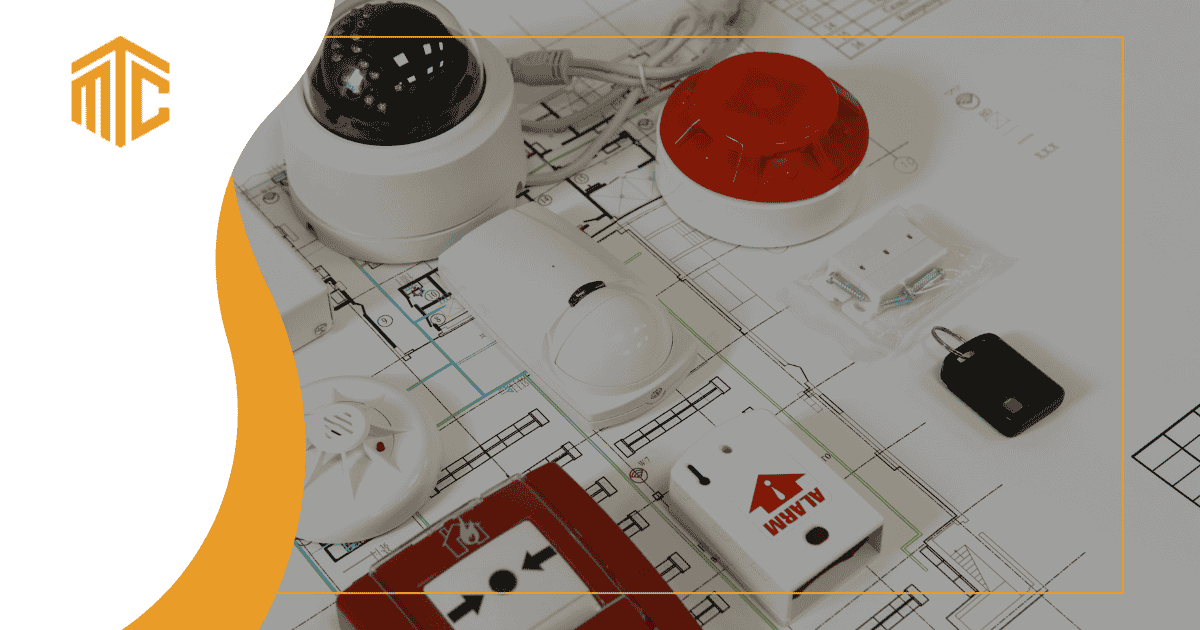
Fire safety is a critical concern in modern buildings, where protecting lives and property is a top priority. In Saudi Arabia, the construction sector is increasingly adopting smart technologies to enhance building safety and efficiency. MTC is at the forefront of this shift, offering advanced solutions that integrate technology with traditional safety measures. This blog explores the benefits of upgrading to smart fire alarm systems, highlighting how these innovations improve response times, reduce risks, and create safer environments for occupants.
Smart fire alarm systems are modern safety measures which involve the use of interconnected equipment. This equipment is sensitive to detecting the risk of fire before it occurs. The smart systems do not operate independently as compared to traditional alarms. They work as smoke detectors, heat sensors, carbon monoxide detectors and linked alarms. These systems are based on IoT connectivity in sending mobile alerts, facilitating cloud-based monitoring, and decision-making.
Meanwhile, they often include real-time information that helps in team reaction, reducing damage, and saving lives. The smart fire alarms will have more control, a clearer picture and a surety of protection to the commercial buildings. They also improve reporting and facilitate compliance. It provides owners with confidence to have clear status views and easy management of systems daily, regardless of the type of property nationwide.
Understanding Fire Safety Regulations in Saudi Arabia
Knowing about fire safety measures in Saudi Arabia is necessary for saving lives, property and business continuity. Regulations are mainly regulated by the Saudi Civil Defense (SCD), which establishes requirements regarding fire prevention and detection within buildings. As a rule, such requirements are accepted as approved fire alarm systems, firefighting equipment, emergency exits, clear evacuation signage, and regular maintenance checks.
The companies should also educate employees about fire safety measures and perform regular exercises. Compliance with such regulations guarantees compliance with the law. It also plays a significant role in minimizing fire hazards, improving preparedness, and contributing to a safer environment in which occupants and the community at large should operate.
Insights on Key Benefits of Upgrading Smart Fire Alarm Systems
Increased Safety and Early Inspections
Smart fire alarms identify smoke and heat at a quicker rate than traditional ones. Secure early warnings help the occupants to respond and evacuate. Emergency teams will be able to get better signals and in-depth details of locations. There have been many examples in KSA offices where minor incidents were prevented through early warnings.
Building Management Systems (BMS) Interaction
The smart fire alarms are easy to integrate with the building management systems. They deal with lighting, security and HVAC components in case of an emergency. The system can activate alarms, open exits, and lead the evacuation on its own. Such integration enhances day-to-day functioning and helps in safety audits. It ensures that buildings always comply with the required performance and compliance standards.
Remote Monitoring and Control.
Remote monitoring enables managers to monitor the fire alarm status at any time via mobile apps or dashboards. Even when teams are off-site, real-time alerts are sent to them. The trends in the data can support the planning of the maintenance before failure. This will mitigate risk and help with smarter decision-making in the facilities with enhanced response planning.
Reduced False Alarms
Smart sensors can distinguish between smoke, dust, heat and steam. Such precision eliminates false alarms and unnecessary evacuations. Hotels and offices that are equipped with smart systems state that they have fewer interruptions. They get the opportunity to have calmer guests and better confidence in safety systems, which facilitates the smooth day-to-day running of the staff and the management.
Cost Savings in the Long Run
Smart fire alarm systems are more costly to install initially, but in the long term, they reduce losses. Quicker reaction handles the disruptions within the property or business. Numerous insurers have reduced the premium rate of insured buildings. Reduced false alarms and scheduled maintenance also save on repairing and unplanned interruptions in commercial, residential, and mixed-use premises.
Adherence to Local Regulations.
Fire safety regulations in Saudi Arabia are obligatory, followed by the Saudi building code and civil defense regulations. These needs are addressed by the smart fire alert systems with the help of testing, reporting, and monitoring. They also assist projects to act on a sustainable basis and to receive established green building accreditation throughout individual and governmental developmental endeavours.
Challenges and Considerations You Should Know
The transition to smart fire alarm systems is an expensive process that requires a lot of cost investment. Professional installation is required to provide stable performance and approval of the system. Frequent maintenance makes sensors precise and linked. The older buildings might need upgrades to make them compatible. It is also necessary to train the staff and occupants about alerts, evacuation procedures, and general use of the system.
The key to handling such issues is precise planning, trusted suppliers and continued support. This is the point where organizations benefit both in the long-term safety and operation related to the challenges. Costs, disruption and smooth upgrades can be controlled through early inspections and planning proper timelines.
Future Trends in KSA Fire Safety Beyond 2025
The future of fire protection in KSA is shifting to smarter and connected protection models. IoT and AI will increase the potential to identify dangerous situations in advance and avoid failure before it takes place. Predictive analytics will help teams to act before alarms are issued. The smart fire systems will also be connected to smart city and mega projects and enhance the coordination, response time and safety of the people.
These trends can help the country grow, have safer structures and have more confidence among investors, residents, and visitors in the Kingdom. There will be massive growth in data security and compatibility between fire safety systems and long-term urban development plans of public private projects in the country and beyond in the next few years.
Conclusion
Upgrading to smart fire alarm systems offers clear benefits, including better safety, higher efficiency, lower long-term costs, and full compliance with regulations. For building owners and stakeholders in KSA, this upgrade is a smart and responsible step. With support from trusted providers like MTC, modern technology plays a vital role in protecting lives, assets, and buildings for the future.
Frequently asked question
What is a smart fire alarm system?
A system with advanced sensors and IoT connectivity that detects fire hazards, sends alerts, and integrates with building management systems.
How does it improve safety compared to traditional alarms?
It detects fires faster, reduces false alarms, and sends remote alerts for quicker evacuation and minimized damage.
Can smart fire alarms be monitored remotely?
Yes, they can be tracked via apps or cloud dashboards, letting managers monitor alerts and system status anywhere.
Are smart fire alarm systems compliant with KSA regulations?
They meet the Saudi Building Code and civil defense standards, ensuring compliance for commercial and residential buildings.