
In order to maintain a safe environment for commercial and industrial activities, fire protection is a must. Saudi Arabia’s modern buildings have to face many risks associated with electrical systems, equipment generating excessive heat, combustible materials as well as crowded spaces. Proper fire Safety Strategies are put into place to keep properties secure. A simple spark can result in considerable financial losses without fire safety systems to protect them.
The Smart Fire Strategies created through the Fire Safety Engineering makes it possible for businesses from all sectors to continue operations post-loss while protecting their assets, employees and remain compliant with the Fire Protection Laws of Saudi Arabia. Strong protection improves the trust of stakeholders in businesses as it has shown them to be reliable and operate in an environment that is stable and secure.
Fire Protection includes the parts, equipment, and procedures to mitigate risk; e.g., fire alarms, suppression systems, emergency exits, and rated construction materials; as well as training personnel to respond to fires. Rapid infrastructure growth has resulted in a critical need for fire safety engineering in Saudi Arabia and will continue to drive business reliance on fire Certified Protection Systems to prevent loss and support normal day-to-day business activities. Reliable fire Protection systems also limit downtime and ensure compliance with the Fire Protection Laws of Saudi Arabia. Strong Safety Strategies must be employed for each building in order to meet its operational requirements.
Fire Safety for Commercial Buildings in Saudi Arabia
Commercial properties in Saudi Arabia manage substantial foot traffic and utilize complicated electrical systems. Therefore, malls, offices, retail establishments, and hospitality venues are required to adhere to rigorous fire safety regulations. Customer and employee safety is ensured via smoke alarms, sprinkler systems and clearly marked exit paths.
In addition to providing employee and customer safety, utilizing fire safety measures also mitigates the potential risk of liability exposure, as well as minimizes potential structural damage to commercial properties. The impact of a single incident can significantly damage both the reputation of a business as well as the ongoing financial success of the company. The Saudi Arabian authorities enforce strict periodic inspections. Carefully developed plans for fire safety will instill confidence within a business’s stakeholders and contribute to future commercial viability.
Importance of Industrial Fire Protection Systems
Industrial facilities located in Saudi Arabia are exposed to a greater risk from fires than is typical because of their usage of machinery, excessive heat, hazardous materials (chemicals) and fuels stored on site. Factories, warehouses, and manufactured products are required by Saudi Arabian laws to implement advanced fire suppression systems to prevent fires from spreading quickly. A variety of methods including water mist, foam, gas, and heat-detecting devices help prevent rapid fire growth.
Automated shut-off devices also play a key role in controlling fire growth. Using these types of fire protection systems will ensure safety to employees working in industrial settings and will reduce the expense incurred by businesses in repairing and replacing damaged equipment. In addition, industrial fire protection systems provide businesses with a means of complying with Saudi Civil Defense Standards regarding compliance with fire safety regulations.
Key Components of an Effective Fire Protection Strategy
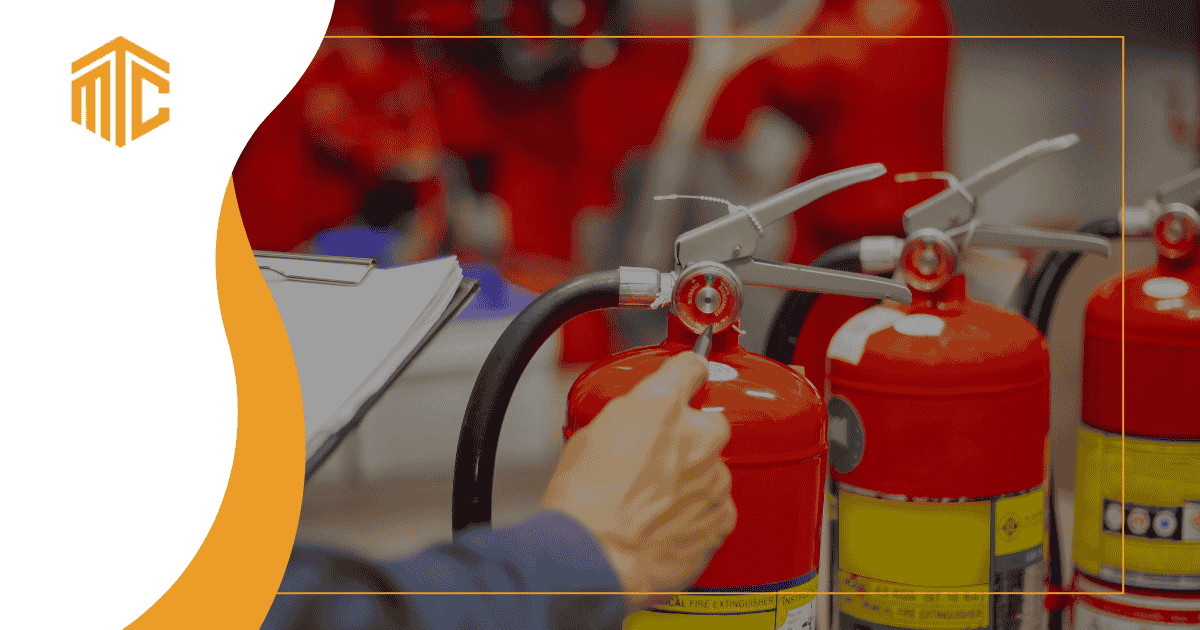
Several systems must work together as one in a fire safety program to achieve proper protection. Fire alarms detect the first signs of heat or smoke, while fire sprinklers work by automatically activating and controlling the spread of a fire. Fire extinguishers provide a way for employees to immediately respond to a fire. Emergency lighting directs occupants during the evacuation process. Fire doors help to slow the spread of flames and smoke. Each fire protection system requires regular testing to verify that it is functioning properly. Fire safety contractors that are certified in Saudi Arabia perform the installation and maintenance of fire protection systems. Fire safety systems require a complete connection between all areas of a building to provide maximum protection.
Fire Safety Solution – Engineering Approach
A comprehensive fire protection system is based on such engineering-based methods as an assessment of risk and design. This provides for the ongoing stabilization of the occupational environment. In engineering, a group of combined detection and suppression systems with a design that resists fire is known as a fire safety system. Engineers develop fire safety solutions by utilizing heat load analysis, classification of hazards, and planning for the integration of fire safety components.
Advanced sensor systems, pumps with regulated pressure, and control panels are designed for immediate response to fire emergencies. Fire-resistive construction materials allow for the separation of structures and to delay the spread of fire. These systems are designed to comply with all applicable Saudi Civil Defense regulations. In addition, a fire safety engineer can assist in minimizing the number of potential failure points in a fire safety system and to create a more reliable and seamless fire protection solution within a commercial or industrial facility.
Fire Risk Assessment for Saudi Commercial & Industrial Sites
Fire Risk Assessment is an overall evaluation of potential fire hazards, identification of fire vulnerabilities and providing recommendations of controls to minimise or eliminate those hazards or vulnerabilities. All buildings constructed within the Kingdom of Saudi Arabia must have their fire risks assessed on a regular basis to ensure that they are meeting the relevant safety regulations.
The Fire Risk Assessor checks the electrical installations; combustible materials present; and availability of emergency equipment. The Fire Risk Assessor also examines the means of escape, accessibility of fire equipment, reliability of fire protection systems, etc. The best possible Fire Risk Assessment will assist in minimizing the chances of fires occurring and keep any fire events from spreading uncontrollably.
Why Fire Suppression Systems Matter
Fire suppression systems are required components in ensuring that fires are extinguished before they get out of hand. Sprinklers are typically found in commercial buildings, while foam suppression and clean agent suppression systems are often required in industrial applications due to the complexity of operations. Fire suppression systems effectively limit the heated gases produced by a fire, keep smoke to a minimum, and inhibit the fire from spreading to another location when activated. Suppression systems are designed to operate automatically, and therefore protect the business’s highest-value assets. Fire suppression systems are integral to maintaining the strict safety requirements of businesses operating in Saudi Arabia. Early intervention in the event of a fire will improve chances of survival and increase the level of safety of building operations.
Fire Protection Prevents Life-Threatening Emergencies
Occupants of buildings face many hazards, including fire. Fire protection systems include smoke detection, heat sensors, alarm circuits, and fire protection systems, which allow timely evacuation of a building when smoke or heat is detected. for businesses, commercial & industrial buildings throughout Saudi Arabia need to have quick alerts so that panic does not ensue. Fire suppression systems, such as sprinklers, reduce flame spread while creating more time for employees to evacuate and also provide reduced exposure to dangerous gases and toxic fumes. Strong strategies for fire protection allow for more safe mobility, response, and less risk to employees, visitors, and business operations.
Fire Protection Reduces Property and Asset Damage
Industrial machinery, commercial inventory, and structural components are all subject to high risk of fire. adequate protection minimizes thermal exposure and prevents flames from spreading beyond the point of origin. Fire suppression systems, including sprinklers, fire rated partitions or engineered fire suppression equipment are intended to keep the fires contained. Therefore, overall costs associated with repairing damaged buildings and lost assets and property value are reduced through the use of effective protection methods. The use of fire-resistant materials, compartmentation design, and good integration of systems gives businesses in Saudi Arabia the ability to effectively maintain their critical infrastructure and recover smoothly following any event.
Fire Protection Ensures Business Continuity
In addition to minimizing downtime by quickly extinguishing fires at their source, automatic fire suppression increases a company’s operational resiliency. Companies that operate in the commercial and industrial sectors of Saudi Arabia depend on reliable fire protection systems in order to maintain production and achieve profitability. Fire protection systems also support continuous workflow, decrease business losses, and create a level playing field among customers. By implementing continuity planning and engineered fire protection systems, the operators of businesses in Saudi Arabia can position themselves for stability and growth within the Saudi market.
Fire Protection Supports Legal Compliance in Saudi Arabia
In Saudi Arabia, fire protection systems are governed by strict fire safety regulations set forth by the Saudi Civil Defense. Because of these regulations, compliance to fire safety standards requires the installation of a certified fire protection system and thorough documentation of system testing, design, and installation based on engineering principles. Fire protection systems enable all buildings to meet the minimum level of fire safety required by local laws pertaining to alarm, suppression, evacuation route, and emergency power systems. The failure to comply with this regulation may result in monetary penalties or facility closure due to unsafe conditions.
Installing a reliable fire protection system will also help retain building permits and aid long-term sustainability of business operations. Furthermore, adhering to the regulations set forth in this document will increase consumer confidence and maintain a safe environment in the commercial and industrial sectors in KSA.
The Role of Advanced Fire Detection Systems
Modern fire detection systems utilize smart sensors and thermal imaging technology combined with a real-time monitoring capability allowing them to provide a much earlier indication of possible fire hazards than older generation traditional fire alarm systems. Modern fire detectors can now be combined directly with a central controller which provides for quicker notification to a central location when an emergency exists, and more rapid coordination of firefighting efforts. Improved fire detection accuracy will greatly decrease false alarms while increasing safety within a building. The first step to controlling large fires is to detect potential fire hazards as early as possible.
Emergency Response Planning for Saudi Buildings
All facilities must have clearly defined emergency response plans. All personnel within a facility should be aware of exit routes and assembly areas, who to contact in case of an emergency, and should participate in routine drills to prepare for actual emergency situations. By providing an emergency response plan, confusion can be minimized and personnel can evacuate a facility more quickly and efficiently, which ultimately increases the level of safety in that facility.
Government regulations in Saudi Arabia require commercial and industrial facilities to train their employees to ensure their safety and to facilitate a rapid evacuation. Communication is key to reducing injuries sustained during a fire, and increasing the chances of a rapid response by firefighters. An emergency response plan works with fire suppression systems to provide a safe environment for all occupants of a building. developing an appropriate emergency response plan ensures that employees’ lives will be saved, and that the owner of a building will minimize his loss of property.
Fire Safety Compliance in Saudi Arabia
Saudi civil defense requires that every building be constructed in compliance with strict fire safety laws. This applies to all commercial and industrial establishments; as such, all commercial and industrial buildings must be designed, installed and maintained in accordance with the fire retardant material code. All fire protection systems must be certified and inspected on a regular basis, and if not compliant, you will face fines and/or your business will be closed down. Compliance with these fire safety codes builds trust between your customers and business partners. Additionally, compliance with these laws helps create a safer infrastructure across the kingdom.
The Benefits of Using Fire Retardant Construction Materials
Fire retardant materials are designed to slow down the rate of flame spread and to reduce heat transfer. Most walls, floors and ceilings can be constructed with fire rated materials. Fire doors and insulation are used to contain fires in certain zones. Fire retardant construction materials are extremely important for commercial and industrial buildings in Saudi Arabia. These materials will provide occupants with more time to evacuate and they will help limit the damage to the building’s structure. The fire resistant design of a commercial or industrial building is a requirement of most insurance programs and will help ensure that the building is durable for an extended period of time. The fire retardant construction materials will provide additional protection for the building during high-risk events.
How Fire Protection Supports Business Continuity
The use of strong fire protection systems is essential for the development of a continuity plan. Fast suppression and the ability to detect early means companies can quickly get back to doing business after a disaster strikes. In a commercial setting where uptime is critical to customer satisfaction, downtime can have a major impact on the sustainability of a business. For example, an industrial plant will depend on continuous production as a way of keeping the customers satisfied and profitable. Fire protection systems are developed to minimize loss of production, protect capital, and promote productivity.
Businesses in Saudi Arabia utilize advanced fire technology to protect their operations. The planning, design, installation, and maintenance of fire protection systems provide a guaranteed level of reliability and create the foundation for building and maintaining mutual trust with business partners. A business that develops, implements, and maintains a continuity plan will have the greatest chance of long-term success and continued growth.
Multi Tech Providing Best Fire Protection Solutions in KSA
The Multi Tech Company is a leading provider of advanced fire protection technology for the commercial and industrial safety marketplace in Saudi Arabia. They offer certified fire alarm systems, smart detection systems, automatic fire suppression systems, and high-performance firefighting equipment to comply with the standards set forth by the Saudi Civil Defense. The design, installation, and maintenance of fire protection systems are performed with the utmost professional expertise.
Businesses have confidence in the ability to provide fast response times, reliable fire protection engineering services, and long-term customer service support. Choose Multi Tech for Fire Protection Engineering solutions in Saudi Arabia. We are a leading contractor to provide the best fire protection system for every commercial & industrial building in KSA.
Frequently asked question:
Why is fire protection important for buildings?
It protects people, property, and operations by preventing fires and reducing damage. Hire MTC for the best fire safety management system.
What types of fire systems are needed?
Most buildings require alarms, suppression systems, extinguishers, and emergency lighting.
How often should fire systems be inspected?
Saudi guidelines recommend regular monthly checks and annual certified inspections.
Do industrial facilities need special fire protection?
Yes, they require foam, gas-based, or advanced suppression systems due to higher hazards.
What is the first step in fire safety planning?
A detailed fire risk assessment identifies hazards and guides the protection strategy.