
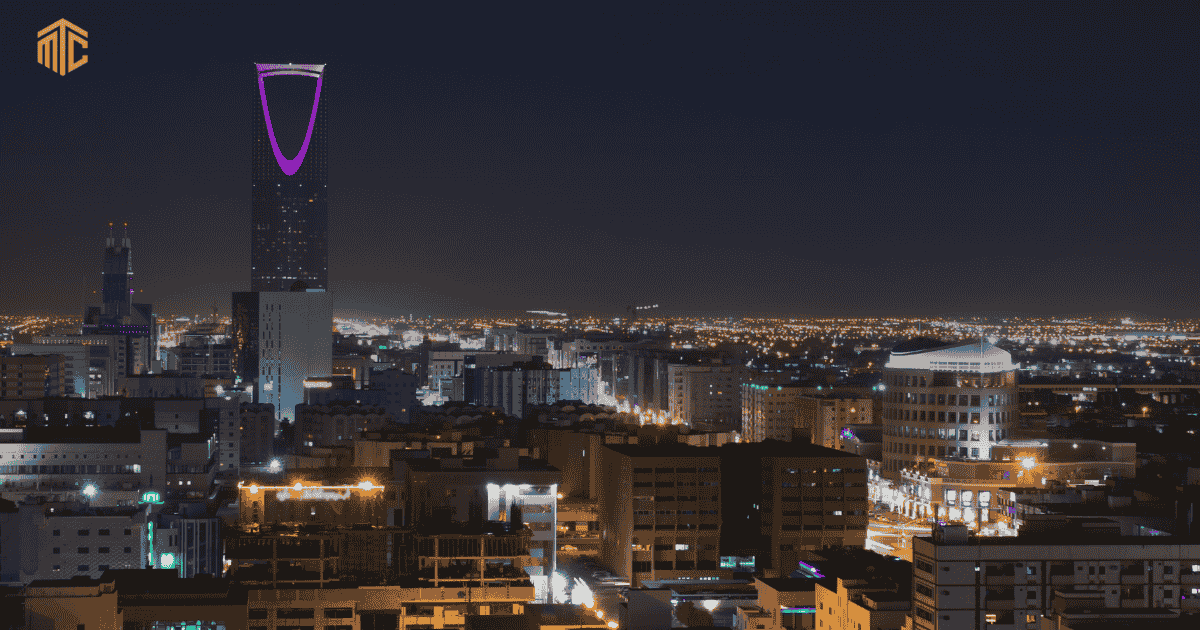
Saudi Arabia’s architectural journey has evolved remarkably from desert life to modern glass skyscrapers symbolizing ambition and growth. Guided by Vision 2030, the nation’s urban transformation focuses on sustainability, innovation, and cultural preservation. This vision encourages architects to merge heritage with modernity, resulting in cities that celebrate both identity and progress. MTC contributes to shaping this evolution through modern design and engineering solutions. Today, Saudi Arabia’s skyline stands as a testament to progress, culture, and innovation expressed through its modern architecture.
Saudi Arabia has started heading towards modern urbanism and development in Riyadh and Jeddah. The discovery of oil has brought about massive modernization and architectural experimentation. International styles were also brought about by globalization that combined modern minimalism with traditional Islamic aspects.
The skylines and open spaces were redefined under the influence of the government-supported programs that display futuristic designs. Incorporating popular international companies promotes creativity and quality of construction.
Riyadh towers and the Jeddah waterfronts strike a perfect balance between cultural traditions and visionary beauty. This change in architecture indicates how KSA is changing into a center of modernity, innovativeness and international design discourse.
Vision 2030: Driving Force Behind Architectural Transformation
Vision 2030 is an architectural and urban redevelopment plan of Saudi Arabia. It focuses on the growth of smart cities, sustainability, and the massive growth of the economy. With the focus on tourism, culture, and innovation, the plan focuses on the development of world-class architectural landmarks.
The Public Investment Fund (PIF) has a significant role to play in the funding of mega-projects. This includes NEOM, Qiddiya, The Red Sea Project, and Diriyah Gate. Each of them boasts a futuristic design and sustainable living.
These projects combine the use of technology, green landscapes, and heritage conservation to transform the urban lifestyle. Vision 2030 will help Saudi Arabia to become a model of urban planning and architectural excellence in the 21st century.
The Role of Sustainability in Modern Architecture
Sustainability is a new principle of modern Saudi structure. The energy-efficient systems and green building standards have become the core aspect of urban development. The government and individuals have solar panels on their buildings, which shows how much the government is focusing on renewable energy.
To reduce the environmental impact, architects resort more to local materials and intelligent technologies. Masterplans and LEED buildings are the sign of a strategic shift towards carbon neutrality. Such attempts not only save resources but also encourage better urban living.
Summing up, there has been a vast approach to incorporating environmental responsibility in the architectural design. Saudi Arabia can combine the objectives of modernization with international standards of sustainability to create futuristic and environmentally friendly cities.
Key Modern Architectural Landmarks in the KSA
Kingdom Tower (Riyadh)
Saudi Arabia has improved and modernized a lot, and its perfect example is Kingdom Tower. This tower is 302 meters high and is located in Riyadh. Its smooth, curvy look and high level of engineering make it an architectural icon. Being one of the highlights of the Riyadh skyline, it incorporates luxury, innovation and national pride. It is a perfect blend of growing global influence and urban sophistication of the country.
Jeddah Tower (Jeddah)
The Jeddah Tower is around one kilometre tall, pushing the boundaries of architectural achievement. It is crafted from the latest materials and is wind-resistant, which makes it subject to special engineering challenges. Upon its completion, it improves the global architectural presence of KSA and inspires the innovations of the megastructures across the world.
NEOM City
NEOM City is a grandiose concept of KSA on sustainable and technologically advanced urban life. AI and renewable energy power it. Innovative projects such as The Line and Oxagon. NEOM incorporates sustainable design, zero-carbon transport, and intelligent infrastructure. It is capturing global interest in the groundbreaking approach to environmental innovation and the redesign of the modern city.
King Abdullah Financial District (KAFD)
A good example of modern architecture and innovativeness in the implementation of a smart city is the King Abdullah Financial District in Riyadh. It is a financial and business centre with sustainable designs, energy economy and impressive glass towers. KAFD enhances the economic diversification process of Saudi Arabia. It fosters an international perception of development and urbanization.
The Influence of Technology and Smart Design
The architectural scene in Saudi Arabia has undergone a revolution brought about by technology. Artificial intelligence (AI), Building Information Modeling (BIM), and 3D modeling improve accuracy, effectiveness, and innovation in building.
The Internet of Things (IoT) and smart homes transform the way people live in cities by making them automation-based, energy-saving, and connected. The establishment of smart infrastructure is supported by technological partnerships with the best innovators in the world.
NEOM is the final one, a visionary blueprint of a smart city. It comes with the incorporation of digital ecosystems, green energy, and autonomous systems. This technological revolution is transforming Saudi architecture into an innovative and sustainable blend. Design intelligence promotes economic diversification and introduces new principles of modern urbanization to the world.
Modern Architecture Impacts Tourism and Lifestyle
Saudi Arabia is turning out to be a global destination for tourism and lifestyle due to its modern structure. Famous sites and futuristic cities are attractions to international tourists who want to experience innovation and cultural experiences.
The development of some significant projects has transformed architectural tourism. A few popular names are King Abdullah Financial District, Jeddah Tower, and The Line, with their radical and visionary design. Such areas encourage new ways of life, which are based on creativity, recreational activities, and social interactions. City modernity brings about cultural centers, open spaces, and spaces filled with art which promotes socializing and international connectivity.
With the development of Saudi cities, structure displays an image of cultural manifestation and the improvement of the quality of life. This helps in creating a dynamic society that unites the past and present.
Future Architectural Trends in Saudi Arabia
The future of architecture in Saudi Arabia is characterized by radical innovation and harmony with the environment. The idea of floating cities, desert-friendly buildings, and artificial intelligence-based city development is becoming more popular.
Designers imagine the harmonious combination of art, light, and nature to promote well-being and beauty. The flexibility, sustainability, and digital connectivity will be considered in future projects. These are the global trends in smart living. As mega-developments continue and innovative experimentation continues.
Saudi Arabia is establishing itself as a leading futuristic structure. It incorporates a sense of cultural identity with the latest technology to form an inspirational vision of how urban living will look in the future.
Conclusion
The role of modern architecture has been a revolution in the redefinition of the urban identity of Saudi Arabia, with a combination of innovation and strong cultural backgrounds. MTC is still pushing this evolution forward with visionary engineering and design. The skyline of KSA today is a living example of a timeless harmony of culture, development, and perspectives of the Kingdom.
Frequently Asked Questions
1. What is the modern architecture in Saudi Arabia?
The modern structure is a blend of innovation, sustainability and cultural identity in the development of futuristic designs that represent the national vision of KSA.
2. Which projects highlight modern architecture?
NEOM, Jeddah tower, Diriyah gate and King Abdullah financial district are examples of modern, sustainable and futuristic architecture.
3. What are the impacts of Vision 2030 on structure?
Vision 2030 encourages environmentally sustainable urbanism, smart cities, and cultural conservation with innovative architectural works.
4. What is the contribution of technology in Saudi structure?
Design precision, energy efficiency, and sustainability are improved with the help of AI, 3D modeling, and smart building systems with technology.