
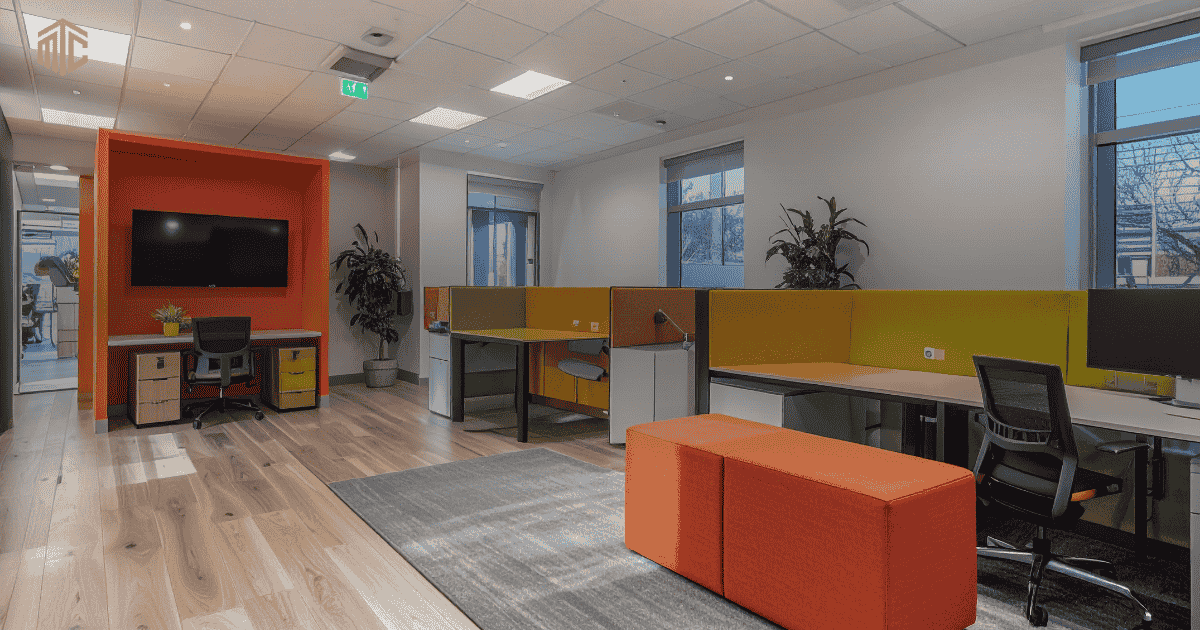
Professional interior design goes beyond decoration, it shapes spaces that influence how people work, shop, and connect. In workplaces, it supports productivity and comfort, while in retail settings, it creates memorable customer experiences. Successful design balances aesthetics, functionality, and brand identity, ensuring every detail adds value. With rising demand for sustainable and modern solutions, businesses seek creative ways to transform interiors. At Multitech, we share practical insights, current design trends, and the benefits of well-planned interiors that make spaces truly perform.
Professional interior design is the key to designing functional, inspiring and transformative spaces. Design skills in offices increase the productivity and morale of the employees by making comfortable places that stimulate concentration and cooperation. Streamlined designs enhance the efficiency of the working process. Considerate design creates a good company culture and produces lasting impressions on customers.
Expert design has a direct impact on customer behaviour. The design of strategic layouts and interactive visual merchandising forms immersive shopping experiences, which promote exploration and enhance sales. Simultaneously, design enhances brand identity, which assists companies in being competitive in saturated markets. The psychology of design is the basis of both commercial and retail space.
Colours influence mood and behaviour. Lighting can be used to enhance productivity or to make a space welcoming. Thus, the arrangement of space will affect the way people move through and interact with a space. All these aspects show how professional interior design is not merely a subject of beauty, but a critical performance, culture, and success factor.
Key Elements to Consider for Office Interior Design
Space Planning & Layout
Space planning provides a system that balances between the open-plan and the individual office. The most open spaces benefit communication and teamwork. The most secretive environment is needed in personal spaces for specific work. Also, the use of collaborative spaces, silent spaces, and breakout rooms will provide an opportunity for employees to select the environment that suits their work styles most. It gives them a chance not only to be productive but also to be creative.
Furniture & Ergonomics
Furniture is at the centre of employee well-being. Posture is facilitated by ergonomic chairs and adjustable desks, which help alleviate stress and exhaustion in the course of work, which lasts a long time. Comfort is the priority in terms of productivity and health. Providing high-quality ergonomic solutions boosts productivity. This leads to job satisfaction and employee retention on a long-term basis.
Lighting & Acoustics
The essential factors in a healthy workplace creation are lighting and acoustics. Natural lighting combination enhances mood, vitality and focus, and artificial lighting must reduce glare and stress. Soundproofing and noise control also aid in lowering distraction in crowded areas. Reflective acoustic panels, carpets and planning create an atmosphere in which employees can focus and at the same time collaborate freely.
Technology Integration
Contemporary offices are flourishing with the integration. IoT smart systems make things more efficient with automated lighting, climate, and security. Mobile phone and wireless working. The flexibility of workstations, which include charging hubs and wireless connectivity, facilitates mobility and a hybrid way of working.
Organizations can become future-ready by integrating technology into the workspace empowering employees, managing the operation, and inspiring employees to be more innovative across everyday organizational processes.
Design Trends to Follow in Offices & Retail Spaces
Green Labelling & Eco-Friendly Materials
Sustainability is a new trend that is being applied both in office and retail design. Companies are resorting to recycled products and environment-friendly finishes to reduce their carbon footprint. Biophilic design that integrates the natural outdoors, such as greenery and natural daylight, into the home increases well-being and reduces stress. Lighting systems and complex HVAC solutions consume less energy. It also facilitates sustainable practices as they decrease the costs of operation and environmental impact.
Bendable workplaces and Hybrid Workplaces
The emergence of a hybrid work culture restructures the modern layout. The idea of modular furniture and versatile spaces changes according to the changing needs, i.e., from group brainstorming sessions to individual work. Such flexibility guarantees a smooth transition among employees who have both remote and commercial arrangements. Adaptability also helps spaces and stores can also adapt layouts to seasonal campaigns or events.
Minimalism & Clean Lines
Minimalistic design has remained the trend, and one that focuses on cluttering and making spaces visually serene. Offices can be minimized in terms of lines and simplified designs. This makes them less distracting and concentrates on productivity. These spaces follow a functional approach of simplicity, with clean-line shelving and a native palette to place focus on products in a way that does not overpower customers. This design style is more effective in terms of space and beauty.
Experiential Retail Spaces
The shopping experiences are being transformed into theatrics spaces. Concept stores do not merely sell but create an experience, whether it is through interactive displays and zoned lifestyle areas or through event-based shopping. Lifestyle brands enable the brand to develop a stronger emotional bond with the consumers. This physical transition does not just create foot traffic but also provides brand loyalty during the period when digital shopping is becoming increasingly predominant.
Significant Benefits of Professional Interior Design
For Offices
Commercial design is not simply about appearances, but it has a direct influence on the way of work and the feelings of people. Employees can be more productive in a comfortable and functional room where they remain motivated and focused. It also contributes to retention of employees, who will tend to stay longer at a place of work that values their welfare and which promotes teamwork.
Moreover, the office is professionally designed, which reflects the values of the company and promotes the perception of the brand. Clients and visitors perceive the space as a display of professionalism and trust, and therefore, design is an excellent investment towards the future success of the business.
For Retail
When design engages with customers practically and emotionally, the retail spaces flourish. A well-planned store may also enhance sales conversions by directing traffic and making products look more attractive. The appropriate environment also helps in the positive shopping experience, which gains customer loyalty and repetitive shopping.
More than that, professional design assists a store in having an identity among others. It makes it unique in a saturated market. Incorporating functionality and creativity, interior design transforms the spaces into not only shopping locations, but shopping places that customers would revisit.
Conclusion
Considering interior design is not about beauty but rather motivation towards permanence in work and retail places. Well-considered interiors provide long-term ROI that can be measured by improving productivity, increasing sales, and improving a brand identity. Collaborating with specialists helps to make all components collaborate with your objectives. Multitech helps businesses create inspiring and performing environments. Professional design to build up your office space or retail space.
Frequently Asked Questions
1. What is the importance of professional interior design to business?
It helps to raise better output, customer satisfaction and brand recognition.
2. What is the influence of office design on employee performance?
Intelligent designs, comfortable furnishings, and natural illumination enhance concentration, morale, and productivity.
3. What are the recent retail design trends?
Retail spaces are dominated by sustainability, experiential shopping, digitalization, and flexi-layouts.
4. What do I do to select the appropriate interior designer to do my office or store?
Examine their portfolio, experience in the industry, design preference and capacity to match your business objectives.